Variance Is the Villain: What Pokie Volatility Is Actually Doing to Your Bankroll

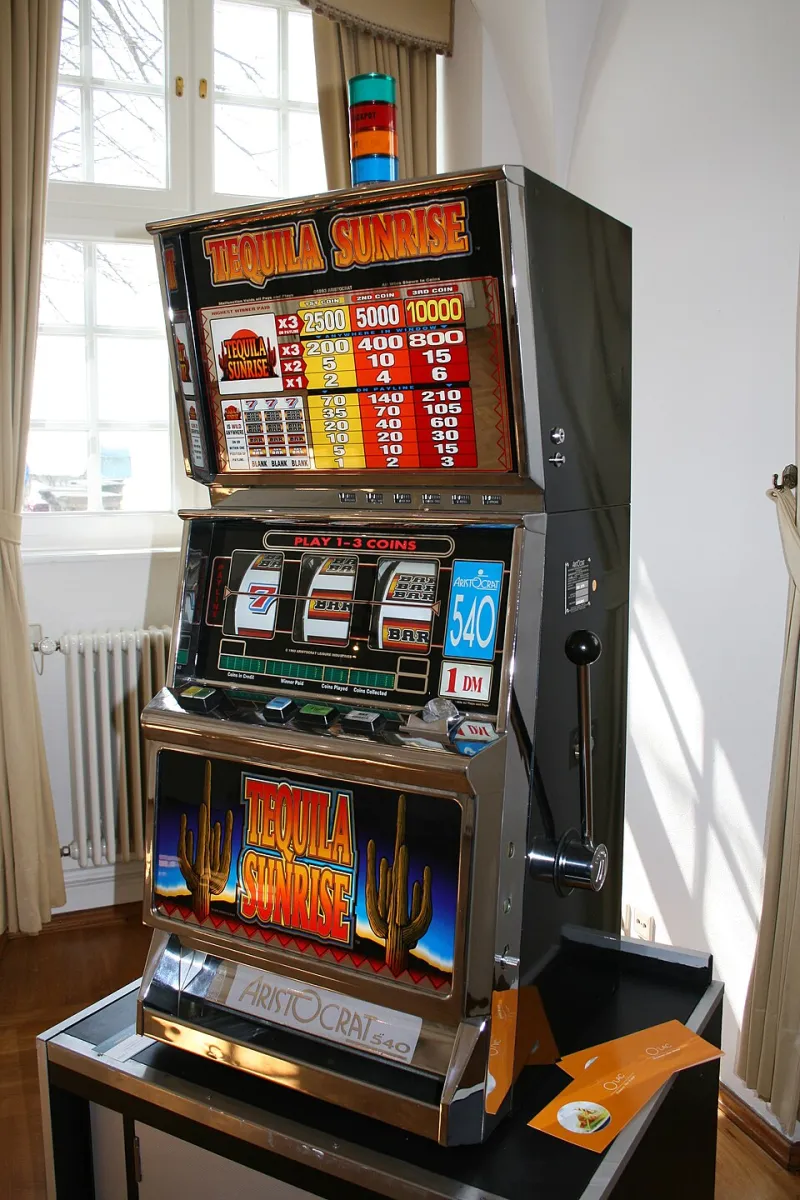
Photo: Toohool, CC BY-SA 4.0, via Wikimedia Commons
There's a moment every pokie player knows. You've been spinning for twenty minutes, nothing's landed, and the screen is just sitting there flashing its big jackpot number like a dare. You think: it's gotta hit soon. So you keep going.
That feeling? That's volatility doing exactly what it was designed to do.
Most Aussie punters pick their slots based on theme, jackpot size, or how loud the sound effects are. Almost nobody picks based on volatility — and that's the real problem. Because volatility isn't a side note on a slot game. It's the core mechanic that decides whether you're grinding out small wins over an hour or watching your entire session budget disappear in fifteen spins.
Let's break it down properly.
What Volatility Actually Means (No Maths Degree Required)
Volatility — sometimes called variance — describes how a slot distributes its payouts over time. It's not about how much a game pays back overall (that's RTP, a separate beast). It's about how those payouts are structured: frequent and small, rare and massive, or somewhere in the middle.
Think of it like this. Two games both return 96% to players over millions of spins. One pays out something almost every third spin — small amounts, steady rhythm. The other pays out almost nothing for 200 spins, then drops a monster win. Same RTP. Completely different experience. Completely different bankroll risk.
That's volatility.
Low Volatility: The Slow Burn
Low-volatility slots hit often. You'll get regular small wins, frequent feature triggers, and a session that feels alive even when you're not up. The trade-off is obvious — the ceiling is low. You're not going to pull a life-changing number from a low-variance game.
For casual players or anyone working with a tight session budget, low-volatility games are genuinely underrated. They stretch your bankroll, keep you in the action longer, and make it easier to walk away without a catastrophic loss. If you're at the pub on a Friday night with $50 to burn and you want to still have money for a round at the end, low-vol is your friend.
Games like classic fruit machines or straightforward three-reel slots tend to sit in this territory. They're not flashy, but they're not out to wreck you either.
Medium Volatility: The Balanced Play
Medium-volatility slots are the most common type you'll find at any reputable online casino. They aim to blend the best of both worlds — reasonable win frequency with occasional bigger payouts mixed in. Most branded slots, popular titles from major developers, and anything marketed as a 'balanced experience' tends to land here.
The challenge with medium-variance games is that they can be deceptive. They're consistent enough to keep you engaged but unpredictable enough that you can still hit a nasty cold streak. They're not the villain of this story, but they're not innocent either. Know your session limits before you sit down, because medium-vol games are specifically engineered to keep you comfortable enough to keep spinning.
High Volatility: The One That'll Raze You
Here's where it gets real.
High-volatility pokies are built around infrequent but potentially massive payouts. The jackpot numbers are big. The bonus features, when they hit, can be genuinely spectacular. And that's exactly why they're dangerous — not because they're rigged, but because the gaps between significant wins can be brutal.
We're talking 100, 200, sometimes 500 spins between anything meaningful landing. If you're playing at $2 a spin — a completely normal bet size — that's $200 to $1,000 in losses before the game even starts performing the way it's supposed to. Most players don't have that runway. They run out of money during the dry spell and never see the payout the game was theoretically building toward.
High-volatility slots aren't a scam. But they require a bankroll that can absorb extended losing runs, and most players dramatically underestimate what that actually looks like in dollars.
The Jackpot Trap
The biggest misconception in the high-vol conversation is that bigger jackpots mean better value. They don't. A $500,000 jackpot on a high-volatility slot is attractive precisely because it's hard to hit. The game is structured to make that number possible while ensuring most sessions end well before it's reached.
Chasing the number without understanding the variance is like buying a lottery ticket and expecting it to pay off because the prize is large. The prize being large is the reason the odds are long.
When you see a flashy jackpot, the first question shouldn't be 'how big is it?' It should be 'how volatile is this game, and do I have the bankroll to play it properly?'
How to Check Volatility Before You Spin
Most online casinos don't advertise volatility prominently, but the information is out there. Here's how to find it:
- Check the developer's site. Providers like NetEnt, Pragmatic Play, and Aristocrat often publish volatility ratings directly.
- Look at the paytable spread. A huge gap between the lowest and highest payout symbols is a strong indicator of high variance.
- Check the bonus trigger frequency. If a game's free spins trigger rarely but pay out massively when they do, you're in high-vol territory.
- Use review sites. Dedicated slot review platforms rate volatility and give session-by-session breakdowns.
Matching Volatility to Your Actual Budget
This is the practical bit most articles skip over. Volatility only makes sense in the context of what you're actually bringing to the table.
As a rough guide: your session bankroll should cover at least 100-200 spins at your chosen bet size for a medium-volatility game, and closer to 300-500 spins for high-volatility titles. If you're sitting down with $40 and betting $1 a spin on a high-vol game, you're mathematically underfunded for the variance you're taking on.
None of that means you can't play high-volatility games. It means you need to go in with clear eyes. Drop the bet size, set a hard loss limit before you start, and treat the session as entertainment rather than a genuine shot at the jackpot.
The Bottom Line
Volatility is the mechanic that most determines whether a gaming session feels brutal or fair, even when the RTP is identical. Ignoring it isn't bold — it's just uninformed. The punters who get the most out of their sessions are the ones who pick games that match their bankroll, not just their mood.
Play hard. But know what you're playing.