RTP Isn't a Guarantee — It's a Conversation. Here's How to Actually Use It
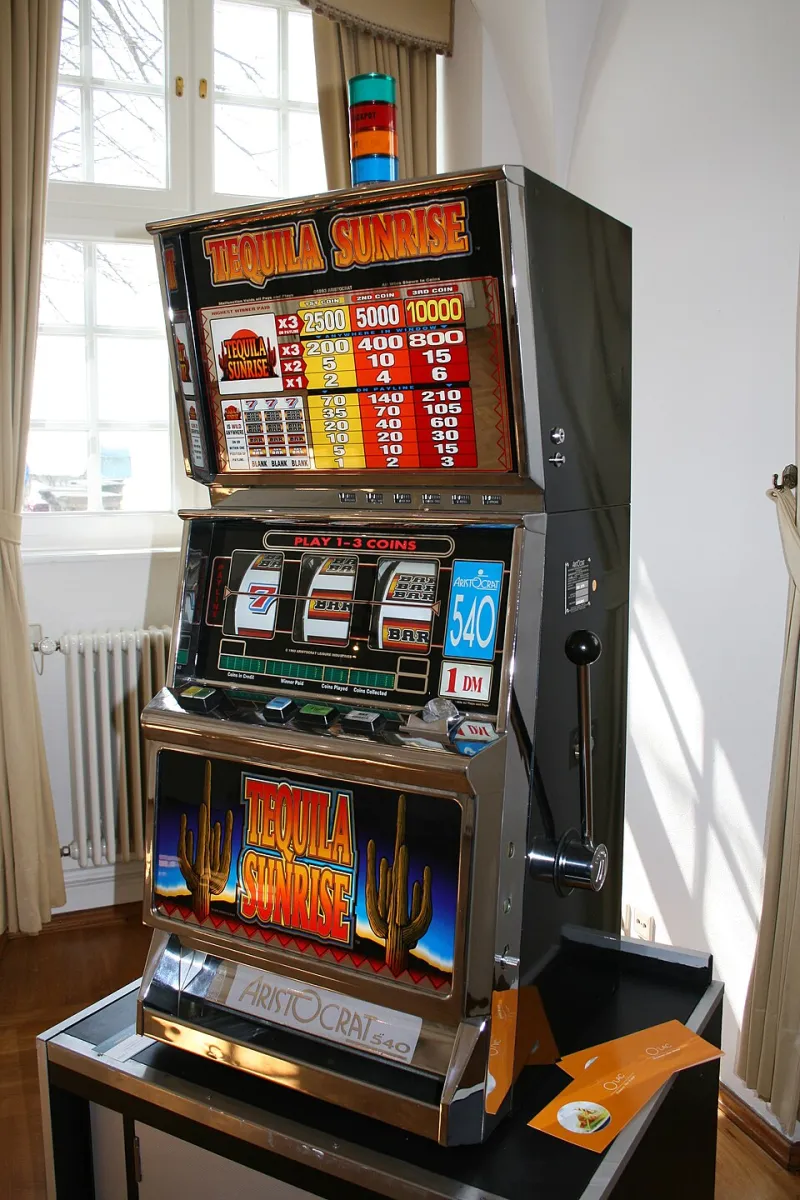
Photo: Stefan-Xp, CC BY-SA 3.0, via Wikimedia Commons
Walk into any conversation about online slots and you'll hear someone drop 'RTP' like it's the secret handshake of smart gambling. And look, they're not wrong that it matters — but the way most people understand it is about as useful as checking the weather in London when you're trying to dress for Brisbane in February. The number exists, it's real, but the context is everything.
Let's actually dig into what Return to Player means, why volatility is the part of the equation most punters ignore, and how to use both together to pick games that suit the way you actually play.
What RTP Actually Is (And What It Isn't)
Return to Player is a theoretical percentage representing how much of all money wagered on a game will be paid back to players over an enormous number of spins — we're talking millions. A slot with 96% RTP will, in theory, return $96 for every $100 wagered across that full cycle.
Here's where people go wrong: they treat that figure as a short-session guarantee. It isn't. If you're sitting down with $50 and spinning for an hour, you could hit 96% of your money back, you could double up, or you could bust in twenty minutes. The RTP is a long-run statistical average, not a session-by-session prediction. The house edge built into that 96% game is 4% — and it's real — but it plays out across a timeframe no individual punter ever experiences in a single sitting.
So why does RTP matter at all? Because it's a baseline quality indicator. A game sitting at 94% is structurally worse for you than one at 97%, all else being equal. Over time, across many sessions, you'll lose money more slowly on the higher-RTP game. That's meaningful.
Enter Volatility: The Number That Actually Shapes Your Session
If RTP tells you the long-run story, volatility tells you how rough the ride will be getting there. And for most Aussie punters playing with a real-world session budget, volatility is the more immediately relevant stat.
Low volatility games pay out frequently but in smaller amounts. You'll see your balance tick up and down in modest increments, and your bankroll will stretch further. These games are well suited to longer sessions, lower stakes, or punters who get more enjoyment from sustained play than from chasing a single massive hit.
High volatility games are the opposite beast entirely. Wins are rarer but potentially much larger. You can spin through 50 or 100 rounds without a meaningful return, then hit something significant. The emotional experience is completely different — tenser, more feast-or-famine — and crucially, your bankroll needs to be able to absorb those dry spells without forcing you out of the game before the variance swings your way.
Medium volatility sits in the middle, which sounds like a cop-out but is actually where a lot of well-designed games live. Reasonable hit frequency, decent win sizes, and a playing experience that doesn't require either a massive bankroll or the patience of a monk.
The Misconception About 'Loose' Games
Australian players often talk about 'loose' and 'tight' pokies, language borrowed from land-based casino culture. The idea is that some machines are primed to pay and others are locked up. Online, this framing is mostly a myth — certified RNG (Random Number Generator) software means every spin is independent, and no machine is 'due' for a payout because it's been cold.
What the loose/tight conversation is actually groping towards is volatility. A 'loose' game in practice is usually a low-volatility title with frequent small wins. A 'tight' game is a high-volatility slot where the gaps between meaningful returns feel brutal. Once you understand that distinction, you can make deliberate choices rather than hunting for some mystical machine state that doesn't exist.
Building a Framework for Game Selection
Rather than picking slots based on theme, brand recognition, or whatever's sitting at the top of the lobby, try applying this filter:
Step 1: Know Your Budget and Session Goal
Are you sitting down for a two-hour entertainment session with $80, or are you taking a calculated shot at a big win with $200? These require completely different game profiles. The first punter wants low-to-medium volatility and an RTP above 95%. The second can tolerate high volatility but needs to accept the genuine risk of busting before the variance pays off.
Step 2: Find the RTP Before You Spin
Legitimate online casinos are required to make RTP figures available, either in the game info panel or through the software provider's documentation. If a game's RTP isn't disclosed anywhere you can find it, that's a red flag worth taking seriously. As a rough guide, anything below 94% deserves scepticism; 96% and above is the sweet spot for recreational players.
Step 3: Match Volatility to Your Bankroll Depth
A simple rule: your session bankroll should be able to cover at least 100 spins at your chosen bet size on a high-volatility game before you expect to see meaningful returns. If $100 at $2 a spin only gives you 50 spins of runway, you're underbanked for that volatility level. Either drop the bet size or switch to a lower-volatility title.
Step 4: Don't Ignore Table Games
Blackjack with basic strategy sits around 99.5% RTP. Baccarat banker bets run at roughly 98.9%. These figures make most slots look like a rough deal, and table games have their own volatility profiles too. If you're bankroll-conscious and enjoy the structure of rules-based play, the maths often points towards the tables rather than the reels.
The Part Nobody Talks About
Even a well-chosen game with a strong RTP and appropriate volatility is still a negative-expectation experience over time. The framework above isn't a system for winning — it's a system for playing smarter, stretching your entertainment budget, and understanding what you're actually signing up for with each session.
The punters who get razed hardest aren't the ones who bet big. They're the ones who bet blind — chasing a win rate that the maths was never going to deliver, on games they didn't understand, with a bankroll that couldn't survive the variance.
Know your numbers. Pick your games deliberately. And when the session's done, it's done.