Beers and Bets: The Dangerous Cocktail Aussie Venues Are Quietly Serving You
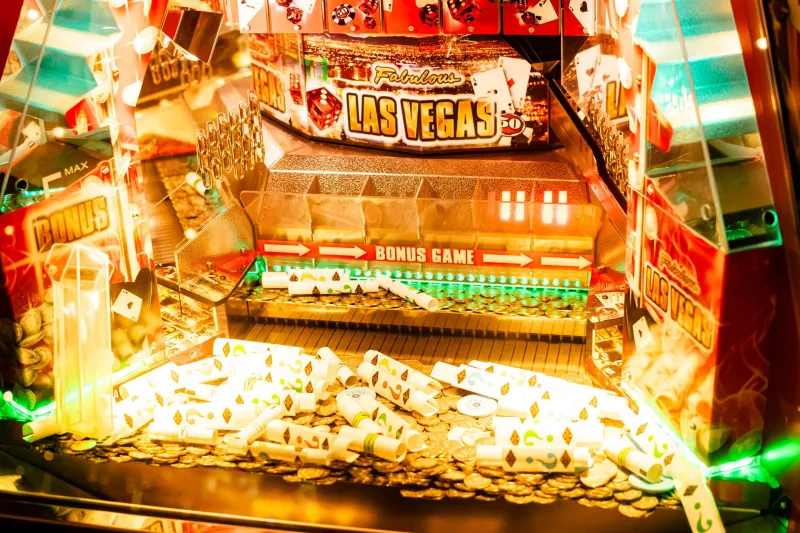
You're three schooners deep, the pokies are singing, and suddenly that $50 note feels more like a starting point than a limit. Sound familiar? If you've ever walked out of a pub on a Saturday night wondering where your cash went, there's a decent chance alcohol had more to do with it than bad luck.
This isn't a lecture. It's a hard look at one of the most overlooked dynamics in Australian gambling culture — the deliberate, strategic relationship between alcohol and wagering that plays out every single weekend in pubs and clubs from Cairns to Fremantle.
The Setup Is Not Accidental
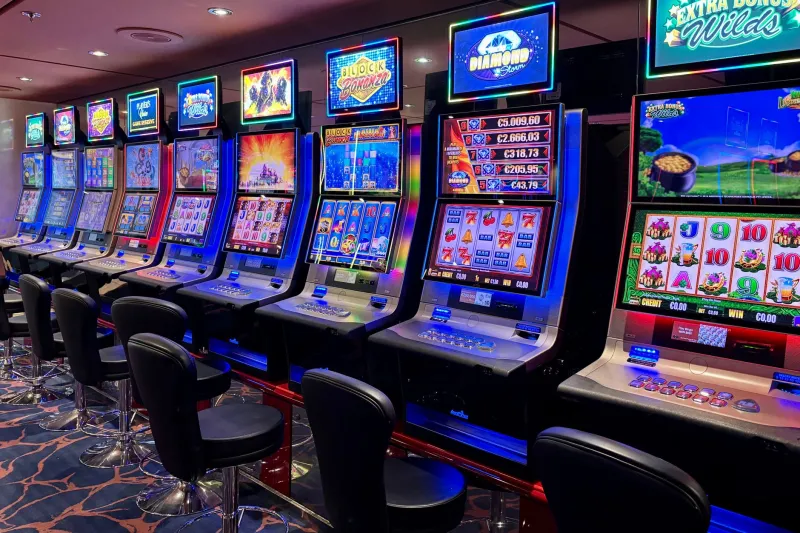
Walk into almost any Australian pub with a gaming lounge and you'll notice something: the bar is close. Sometimes it's very close. The pokies aren't tucked away in some distant corner — they're positioned within easy stumbling distance of where you're already drinking. That's not a coincidence, and it's not just about convenience.
Venues in Australia operate under strict licensing laws, but within those laws there's enormous latitude in how a space is designed. The proximity of alcohol service to gaming areas is a well-documented strategy. When people drink, they stay longer. When they stay longer, they gamble more. When they gamble more, the venue profits. The layout of your local RSL or pub gaming room is, in many cases, the product of decades of refinement aimed at keeping punters comfortable, liquid-refreshed, and in the zone.
In some states, venues are legally required to not provide complimentary alcohol to active gamblers — but enforcement is patchy, and the line between "we just happen to have a bar nearby" and "here's a free round, mate" can be blurry in practice.
What Alcohol Actually Does to Your Betting Brain
Here's where the neuroscience gets uncomfortable. Alcohol doesn't just make you feel good — it systematically dismantles the mental architecture you rely on to make decent decisions.
Your prefrontal cortex, the part of your brain responsible for impulse control, risk assessment, and long-term thinking, is the first casualty of a few drinks. As blood alcohol concentration rises, that rational governor starts going quiet. What replaces it is a brain that's more impulsive, more optimistic, and significantly worse at calculating actual probability.
Studies have shown that even a moderate level of intoxication — think two to three standard drinks — measurably increases risk-taking behaviour. Punters are more likely to chase losses, increase bet sizes, and ignore the limits they set for themselves before they started drinking. The famous "I'll just win it back" spiral is far more likely to begin after a few beers than it is stone-cold sober.
There's also an emotional blunting effect. Alcohol dulls the sting of a loss in the short term, which sounds like a good thing until you realise that pain is actually your brain's built-in warning system. When losses stop hurting properly, the natural brake on continued gambling gets weaker. You keep going not because you're winning, but because you've chemically muted the signal telling you to stop.
Real Talk: How It Actually Plays Out
Picture this: you head to the local on a Friday arvo with $80 in your pocket and a plan to have a couple of quiet ones. You're not planning a big session. You've got limits. You're sensible.
Two hours and four middies later, a mate suggests jumping on the pokies for a bit. You're relaxed, you're feeling good, and $20 doesn't feel like much. Then it's gone. Normally you'd shrug and walk away — but tonight, something feels different. You're due for a win, right? Another $20. Then another.
By the time you're heading home, you've spent $120 you didn't plan to spend, and the night somehow still felt like a good time. That's the trap. Alcohol doesn't just impair your decisions — it makes bad decisions feel fine while they're happening. The regret arrives the next morning, usually alongside a headache.
This pattern isn't unique. It's playing out in pubs and clubs across Australia every single weekend, and venues understand the rhythm of it better than most punters do.
What the Rules Say (And What They Don't)
Australian gambling regulations vary by state, but most jurisdictions have provisions designed to address intoxication and gambling. The ACT, for example, has explicit requirements around responsible service in gaming venues. NSW and Victoria have codes of conduct that include obligations to monitor and manage visibly intoxicated gamblers.
The problem is that "visibly intoxicated" is doing a lot of work in those regulations. Someone who's had four drinks might be impaired enough to make seriously compromised decisions without appearing obviously drunk. The threshold is set high enough that venues have significant wiggle room, and the commercial incentives don't exactly push staff toward proactive intervention.
Advocacy groups have pushed for stronger restrictions — including bans on alcohol service in gaming areas — but the hospitality industry lobbies hard against these measures, and progress has been slow.
Staying Sharp When the Rounds Are Flowing
None of this means you can't enjoy a drink and a punt. But going in with your eyes open makes a genuine difference. Here's what actually works:
Set your gambling budget before you start drinking. This sounds obvious, but most people don't do it. Decide on a hard limit — cash only — before the first beer hits your hand. Leave your card at home or in the car if you have to.
Use time as a proxy. If you're too relaxed to accurately gauge how much you've spent, you're probably too relaxed to be making good betting calls. Set a time limit on your session and stick to it regardless of how the night's going.
Alternate drinks with water. Yes, it's basic. Yes, it works. Staying hydrated slows your consumption and keeps your head clearer for longer.
Recognise the optimism spike. That feeling that you're about to hit a big one, that the machine is warm, that your luck is turning — it's significantly more intense when you've been drinking. Treat it as a warning sign, not a green light.
Have an exit buddy. If you're out with mates, agree in advance that either of you can call it without grief. Pack mentality is powerful, but so is a mate who's got your back.
The Bottom Line
The relationship between alcohol and gambling in Australia isn't accidental — it's architectural. Venues are built around it, business models depend on it, and the neurological effects of drinking make punters measurably worse at protecting themselves. That's the uncomfortable truth sitting underneath every Friday night schooner near the pokies.
At Razed, we're all about betting bold — but bold doesn't mean reckless. Knowing the environment you're walking into, and what it's designed to do to your decision-making, is the sharpest edge you can bring to any session. Play hard with your eyes open, not your wallet hanging out.