Almost Doesn't Count: The Hidden Cost of the Near-Miss and What It's Really Doing to Your Head
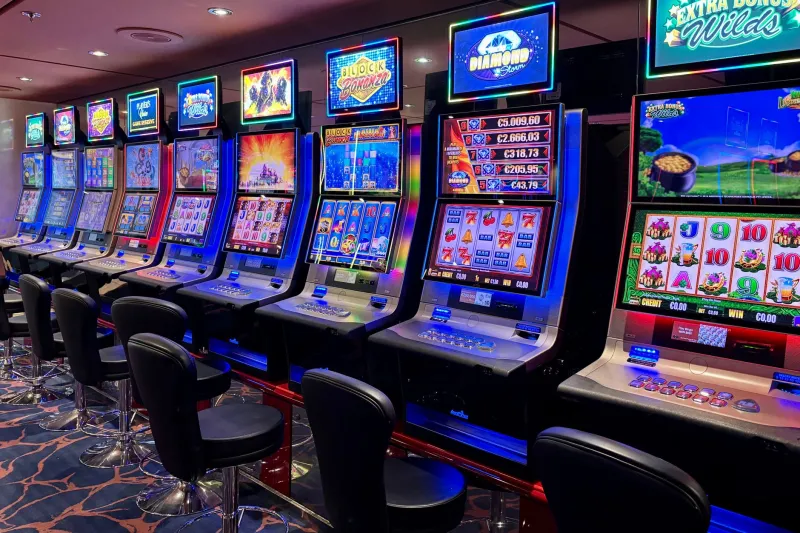
You've been there. Three reels spinning, two cherries locked in, and the third one — the one that matters — crawls past the payline and lands just below. Or you're sitting at the blackjack table with nineteen, the dealer flips a ten, and then pulls a king to bust. Almost. So close. Your gut twists in a way that a flat-out losing hand never quite manages.
That feeling? It's not just frustration. It's a neurological event. And casinos — whether they built it in deliberately or just stumbled onto it — have been benefiting from it ever since.
Your Brain Doesn't Know the Difference Between Almost and Actually
Here's the uncomfortable truth: when you nearly win, your brain partially behaves as if you did win. Research into dopamine response — the chemical system that drives motivation, reward, and craving — shows that near-misses activate the same reward circuitry as actual wins, just without the payout attached to them.
Think of it like your brain sending out a party invitation, getting everyone hyped, and then cancelling at the last second. The anticipation has already fired. The circuitry is already lit up. And now there's an unresolved loop sitting in your head that screams one more go louder than any jackpot celebration ever could.
A full loss — two blank reels and a dud on the third — doesn't do this. It's disappointing, sure, but it's clean. The brain processes it, moves on. The near-miss, though? That one lingers. It signals that you were close, that the system is responding to you, that the win is right there on the other side of the next spin.
Spoiler: it's not.
The Pokie Problem Is Built Into the Machine
Australian pokies are some of the most sophisticated gambling machines on the planet, and near-misses aren't accidental features — they're structural ones. Modern electronic gaming machines (EGMs) can be programmed to show near-miss outcomes more frequently than pure probability would produce, within the limits of regulatory frameworks. The reel you see isn't always a transparent window into the actual RNG result — it's a visual representation designed to communicate something, and that something is often tension.
So when you're sitting at your local RSL or firing up an online slot at midnight and that third symbol skims past the payline, you're not watching randomness play out in real time. You're watching a choreographed near-miss that your brain is interpreting as evidence you're close to a win.
You're not. The next spin has zero memory of the last one. The near-miss was theatre. But your dopamine system didn't get that memo.
Table Games Aren't Innocent Either
Pokies cop most of the heat when near-misses come up, but table games have their own version of the trap. Blackjack is particularly brutal for it. Bust the dealer by one point. Watch your pair split turn into two losing hands, each missing by a card. See your roulette number come up on the spin after you walked away.
These moments carry emotional weight that's disproportionate to their actual significance. In probability terms, a near-miss at roulette is no different from a loss by ten numbers — the wheel doesn't grade on proximity. But in psychological terms, it's a completely different experience. It creates a narrative. I was right. I just need to stay in it.
That narrative is the expensive part.
Why Near-Misses Cost More Than Losses
Here's where the real damage happens. When you lose cleanly, there's a natural psychological brake. The feedback is negative, the loop closes, and your brain can begin the process of disengaging. You might be annoyed, but you're not chasing a ghost.
Near-misses short-circuit that brake. Instead of disengagement, they produce persistence. Studies on gambling behaviour consistently find that near-misses extend session length — players stay longer, spend more, and resist leaving even when they've blown past their original limits. The near-miss essentially tricks your risk-management system into thinking you're on the right track.
For Aussie punters who are already operating in one of the highest per-capita gambling markets in the world, that's a serious compounding factor. We already bet more than almost anywhere else on earth. Layer the near-miss effect on top of that cultural baseline and you've got a perfect storm for sessions that run way longer than they should.
The Session-Length Trap in Real Terms
Let's put some numbers to it. Say you sit down with $150 to spend on pokies. You budget for roughly an hour of play. In the first twenty minutes, you hit two near-misses back to back. Your brain is now convinced you're in a hot patch. You don't leave when the hour's up. You're still there ninety minutes later, down $230, wondering how that happened.
The near-miss didn't just cost you the spins it triggered — it cost you the entire extended session. It cost you the decision-making clarity that a clean loss at the one-hour mark might have preserved. That's the hidden tax. Not the individual bet. The cascade of bets that follow because your brain couldn't let go of almost.
How to Actually Interrupt the Loop
Knowing the mechanism is the first step, but it doesn't automatically protect you. Here's what actually helps:
Name it when it happens. Out loud if you need to. "That was a near-miss. It means nothing about the next spin." Sounds obvious, but verbalising it engages your rational brain and creates a tiny wedge between the emotional response and your next action.
Set a session timer, not just a loss limit. Loss limits are great but near-misses can keep you under your limit while still extending your session dangerously. A hard time limit — phone alarm, watch timer, whatever — gives you a circuit breaker that isn't affected by your current emotional state.
Walk away after the near-miss, not before it. If you're going to leave, leave right after the almost-win hits. That's the moment your urge to stay is highest, which means it's also the moment the discipline matters most. Leaving while you're feeling the pull is the whole game.
Don't interpret patterns. Two near-misses in a row feel like information. They're not. They're noise. Pokies don't warm up. The RNG doesn't remember. Resist the urge to build a story out of randomness.
Almost Is the Casino's Best Friend
Casinos — online or bricks-and-mortar — don't need you to win to keep you engaged. They just need you to feel like you almost did. That feeling, more than jackpots, more than loyalty points, more than any promotional offer, is what keeps sessions going long after your rational mind would've called it.
At Razed, we're not here to tell you to stop playing. We're here to make sure you're playing with your eyes open. The near-miss is one of the most powerful psychological levers in gambling — and the fact that it looks like good luck rather than bad is exactly what makes it dangerous.
Almost isn't close. Almost is the trap. Recognise it, name it, and walk away from it before it costs you more than an actual loss ever would.