Tap, Don't Think: The Quiet Shift to Cashless Pokies and What It Costs You
Photo: Los Angeles County Metropolitan Transportation Authority, Public domain, via Wikimedia Commons
For decades, the pokies room has been a cash economy. You fold a fifty, feed the machine, and feel the note leave your hand. It's not a pleasant feeling, but it's a real one. You know what you've spent because you watched it go.
Cashless gaming is changing that. In 2026, the move towards card-only gaming floors is no longer a thought experiment. Trials and conversations across Australia are pushing the pokies room towards account-based play, and that's a double-edged sword. The same system that can protect you can also make spending feel like nothing at all.
The Good Bit: Limits With a Backbone
Let's give credit where it's due. Carded play can enforce pre-commitment in a way cash never could. You set a daily or weekly limit before you start, and the machine holds you to it. Self-exclusion becomes harder to dodge because your account is the key. Tracking gives you a real record of what you've spent, not a vague memory and a pocket full of coins.
That's genuinely useful. A machine that knows your limit is harder to lie to than a mate who's had four schooners. For problem gamblers, the safety net can be real. For everyone else, it's a reminder that gambling is a transaction, not a magic trick.
The Bad Bit: Money You Can't Feel
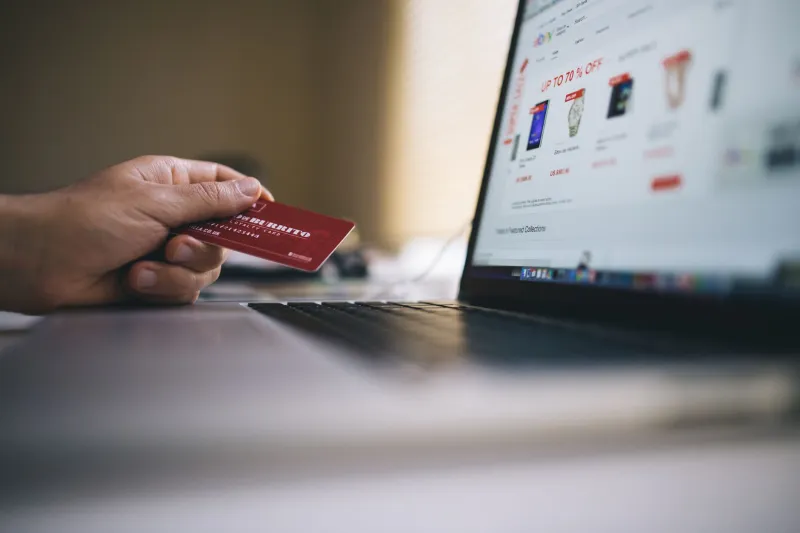
Here's the catch. Cash has friction. You hand over a note, you see the pile shrink, you feel the loss in your hand. A card doesn't do that. Tap and go is designed to be smooth, and smooth is the opposite of awareness.
When you can't see the cash, the loss feels abstract until the bank statement arrives. The pokies room stops feeling like a place where money changes hands and starts feeling like a game with a balance on a screen. That's a dangerous shift. The house doesn't need to hide the odds if it can hide the transaction.
The loyalty points don't help. Neither do the bonus offers that pop up when the system knows you're due. A card that tracks your play can also learn your habits, and not every use of that data is on your side.
Who Holds the Data?
Account tracking cuts both ways. On one side, it's harm minimisation: limits, exclusion, visibility. On the other, it's profiling: who plays, when they play, how much they lose, and what offer might bring them back. A system that can lock you out can also learn exactly when to send you a bonus.
That's why the cashless pokies debate needs to be sceptical without being alarmist. The technology isn't evil. It's a tool. The question is who's holding the remote, and whether the safeguards are mandatory or optional.
What Punters Can Do
If cashless play is coming to your local, don't wait for the venue to protect you. Set your limits before you walk in. Use a separate account with a fixed amount. Don't link a credit card. Check your statement weekly, not monthly. Opt out of marketing where you can. Treat the card like cash in an envelope — when it's gone, it's gone.
And if you feel the friction disappearing, that's your cue to stop. The smoother it feels, the more you need to pay attention.
Cashless pokies aren't the villain or the saviour. They're a change. Play hard, bet bold, but know what you're tapping.